Dyson Airwrap vs Curling Iron — Heat Damage, Results, and Which to Buy
Side-by-side: Dyson Airwrap vs traditional curling irons. Heat damage, learning curve, results, durability and total cost compared.
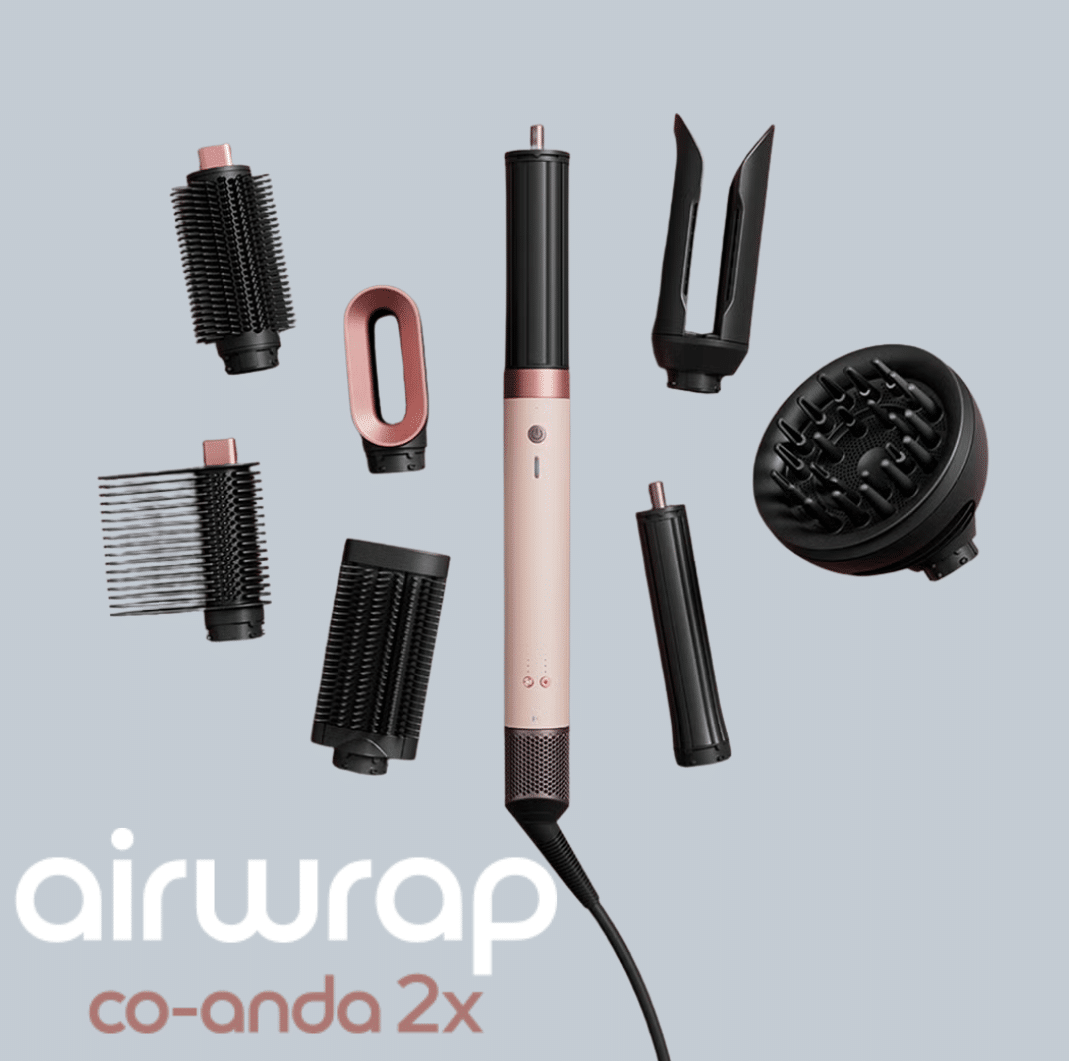
Does the Dyson Airwrap cause less heat damage than a curling iron?
Yes. The Dyson Airwrap operates at a maximum of 150°C, while standard curling irons reach 175–230°C. Hair-protein damage starts becoming significant around 175°C, so the Airwrap's lower cap and use of airflow (not direct contact heat) leads to noticeably less cuticle damage in regular use.
Which gives better curls — Airwrap or curling iron?
Curling irons can produce tighter, more defined ringlets; the Airwrap produces softer, bouncier waves and salon-style curls. Stylists tend to recommend the Airwrap for everyday styling and curling irons for special occasions where you want sharp, set curls.
Is the Dyson Airwrap harder to learn than a curling iron?
It has a small learning curve — the Coanda effect needs you to position hair near, not on, the barrel. Most people pick it up within 2–3 sessions. Curling irons are more familiar but require more skill to avoid burns.
Is the Dyson Airwrap worth the price difference?
If you style your hair more than once a week, yes. The Airwrap replaces a hair dryer, curling iron, smoothing brush and round brush in one tool, and the lower heat usually means healthier hair over months. For occasional curling only, a quality $100 curling iron may be enough.
Externe Quellen
- Dyson Ltd. — official site — manufacturer specs and warranty terms.
- Coandă effect — Wikipedia — physics behind air-flow hair styling.
- Hair-protein damage thresholds (NCBI) — published research on heat-induced keratin damage.